Off-Grid Cabin Living and Wilderness Retreat Design in Canada
Field notes, construction records, and system breakdowns covering remote cabin builds, off-grid power, water collection, and site planning across Canadian wilderness regions.
Recent Articles
Documentation on cabin construction methods, off-grid infrastructure, and site design principles drawn from builds across Ontario, British Columbia, and northern Quebec.

Building Your Off-Grid Cabin in Canada: Site Selection to Shell Construction
A breakdown of the decisions that shape a remote cabin build — from surveying a roadless site to selecting between log, timber frame, and SIP construction methods suited to Canadian winters.

Solar Power and Water Collection for Remote Canadian Cabins
An examination of solar panel sizing, battery bank configurations, and rainwater harvesting setups that have proven reliable through northern Canadian winters and spring thaw cycles.
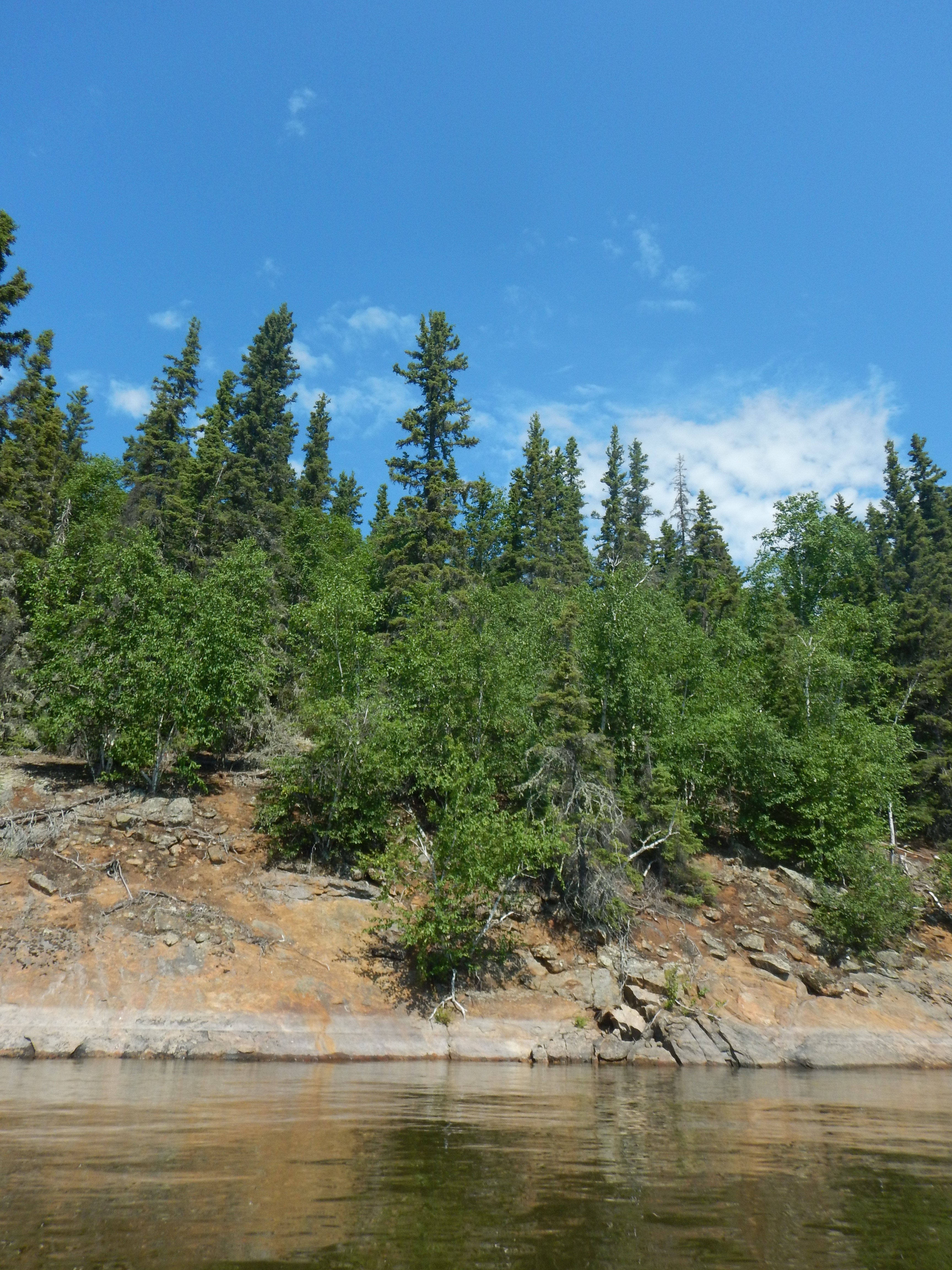
Wilderness Retreat Design: Principles for Remote Sites in the Canadian Bush
How experienced builders approach the planning of a wilderness retreat — from land access and setback regulations to interior layout decisions that account for isolation and seasonal extremes.
Log, Timber Frame, and SIP: Which Shell Works in the Canadian North?
Each construction method carries different trade-offs for thermal mass, build time, and the skill level required when working without road access. This comparison draws from documented builds in northern Ontario and the BC interior.
Read the breakdownKey Topic Areas
The archive is organized around three interconnected areas of off-grid cabin knowledge.
Site Selection & Land Access
Crown land permits, private lot considerations, seasonal access routes, soil bearing capacity, and how slope orientation affects solar exposure and water drainage at remote sites.
Off-Grid Power & Water
Solar array sizing for Canadian latitudes, battery bank chemistry comparisons, micro-hydro potential, rainwater filtration to potable standards, and grey water management in permafrost-adjacent soils.
Interior Planning for Isolation
Compact floor plan strategies, wood stove clearance requirements, insulation values for -40°C design temperatures, and ventilation approaches that maintain air quality in tightly sealed structures.
Water in the Bush: Rainwater, Wells, and Spring Collection
Rainwater collection from a 600 sq ft roof in southern Ontario can yield over 300,000 litres per year before evaporation losses. The numbers shift significantly further north. Here is what the field data shows across different Canadian climate zones.
View system notesLeave a Question or Inquiry
For questions about the content, corrections, or general inquiries about off-grid construction documentation.
Design Principles for Remote Wilderness Retreats
Site orientation, structure massing, and utility routing decisions that experienced builders apply when working in roadless terrain across the Canadian Shield and boreal zones.
Read the design notes